 By admin

Getting the keys to a newly purchased home is a milestone that deserves to feel exciting. Yet once the door opens and the moving truck is on its way, the list of practical tasks can become surprisingly long.
A smart move-in strategy is to treat the property as an empty workspace before treating it as a home. Utilities, access, cleaning, safety checks, furniture placement, and essential belongings should be handled in an order that prevents one task from making another harder.
Walk Through the Property Before Unloading
If you have access to the house before the main delivery, take advantage of the empty rooms.
Walk through every space and check walls, floors, doors, windows, fixtures, and visible plumbing. Photograph the property’s condition before furniture and boxes make the rooms difficult to inspect.
Price Movers provides professional relocation services for households changing homes. Information about the company is available at https://pricemovers.com/.
Locate the Important Controls
Find the electrical panel, water shutoff, heating and cooling controls, circuit breakers, and other essential systems.
Knowing where these are located can save considerable time if something needs attention during the first few days.
Confirm That Utilities Are Working
Before your household arrives, verify that electricity and water are functioning.
Check heating or air conditioning as well, depending on the season. If internet service is important for work or school, arrange installation or activation as early as possible.
A newly purchased property can feel much less welcoming when the basics are not operational.
Clean the Empty Rooms First
An empty house is much easier to clean than a furnished one.
If possible, clean floors, cabinets, closets, bathrooms, and other surfaces before unloading begins.
Pay Attention to Areas That Will Soon Be Covered
Vacuum or clean spaces beneath beds, sofas, cabinets, and other large furniture before those pieces are positioned.
Once the rooms are full of belongings, reaching these areas becomes significantly more difficult.
Decide Where Large Furniture Will Go
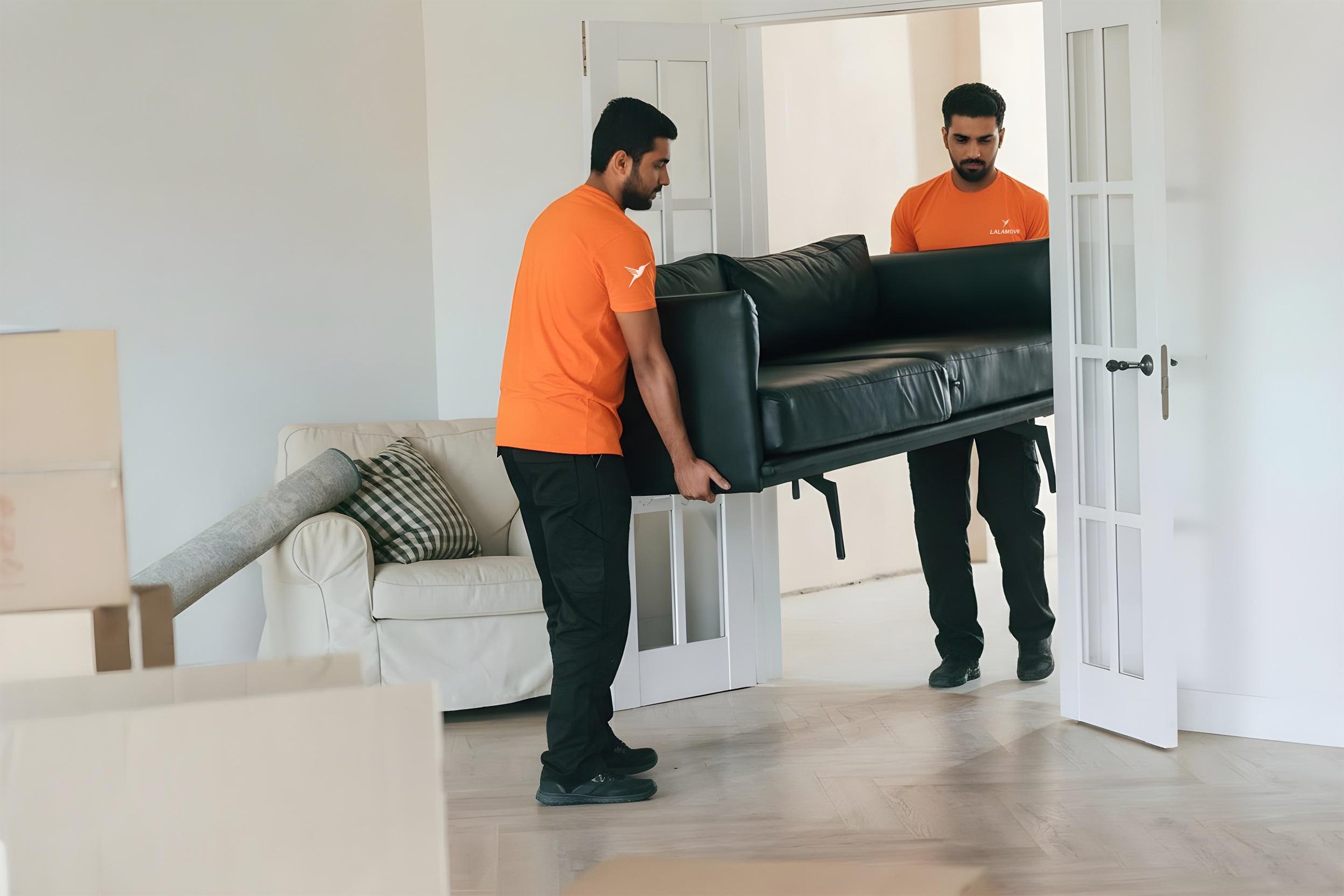
Do not wait until the moving crew is standing in the doorway to decide where the biggest pieces belong.
Create a basic placement plan for beds, sofas, dining tables, desks, cabinets, and other large items.
Measure Before the Truck Arrives
Check doorways, hallways, staircases, and the dimensions of the intended rooms.
A piece that fit comfortably in your previous residence may interact very differently with the architecture of your new house.
Home Moves are easier to manage when furniture placement and access routes have already been considered.
Protect Newly Finished Surfaces
If the home has new flooring, freshly painted walls, or recently completed renovation work, take extra precautions before unloading.
Use appropriate floor protection and keep the main pathways clear.
Tell the movers about surfaces that require particular care.
Establish an Essentials Area
The first items you unpack should make the property functional.
Prepare a clearly identified collection containing toiletries, towels, bedding, chargers, basic kitchen equipment, cleaning supplies, simple tools, medications, and a change of clothes.
Keep Important Documents Separate
Purchase documents, insurance paperwork, identification, financial records, moving agreements, and other essential papers should remain accessible.
Do not place them inside a box that will disappear beneath the rest of the shipment.
Set Up the Bedroom Early
After a long moving day, having a usable bed can make a dramatic difference.
If possible, assemble at least one sleeping area before spending time on decorative details.
Children’s bedrooms may also deserve early attention if the move involves a family.
Make the Bathroom Functional
A functional bathroom is another immediate priority.
Unpack toiletries, towels, toilet paper, basic cleaning supplies, and any personal essentials needed during the first evening.
This is a small step, but it can make the first night in an unfamiliar house much easier.
Organize the Kitchen Strategically
There is no need to unpack every kitchen box immediately.
Start with everyday necessities: drinking glasses, plates, utensils, a few cooking items, coffee or tea supplies, and simple food.
Avoid Opening Everything at Once
Unpacking randomly can create piles of items without creating a functional room.
Open boxes according to priority and keep packaging materials consolidated rather than allowing cardboard and wrapping to spread throughout the house.
Check the Exterior Before Everything Is Stored
Walk around the property and inspect the driveway, garage, gates, exterior doors, and other access points.
If you have outdoor equipment or garage belongings, determine where they should go before those spaces become crowded with miscellaneous boxes.
Change Locks and Review Security
Moving into a purchased property is also a good opportunity to review access.
Consider changing or rekeying exterior locks where appropriate. Check window locks, garage access, alarm systems, and other security features.
If the property includes smart-home equipment, review which devices are connected and whether previous access should be removed.
Keep a Running List of Problems
A new home may reveal small issues after you begin living in it.
Keep a simple list of repairs, missing items, maintenance questions, and projects rather than trying to remember everything.
Separate urgent problems from improvements that can wait until the move is fully settled.
Give the First Day a Clear Order
The first day does not need to include every possible task.
Prioritize utilities, cleaning, access and safety checks, major furniture placement, bedrooms, bathrooms, and basic kitchen functionality. Everything decorative can follow later.
Price Movers offers Home Moves solutions for households transitioning into new properties, while advance preparation can make the physical relocation much easier to control.
Once the essentials are functioning, the boxes stop feeling like a deadline. They become a series of smaller tasks that can be completed at a comfortable pace while the new house gradually starts to feel like home.